Author: Sardar Bahadori
When implementing a Battery Energy Storage System (BESS), it is essential to look beyond the initial purchase price. The true cost of a BESS project includes several components that are often overlooked but are critical for accurate budgeting and long-term success.
Here’s a detailed look at the various cost categories involved.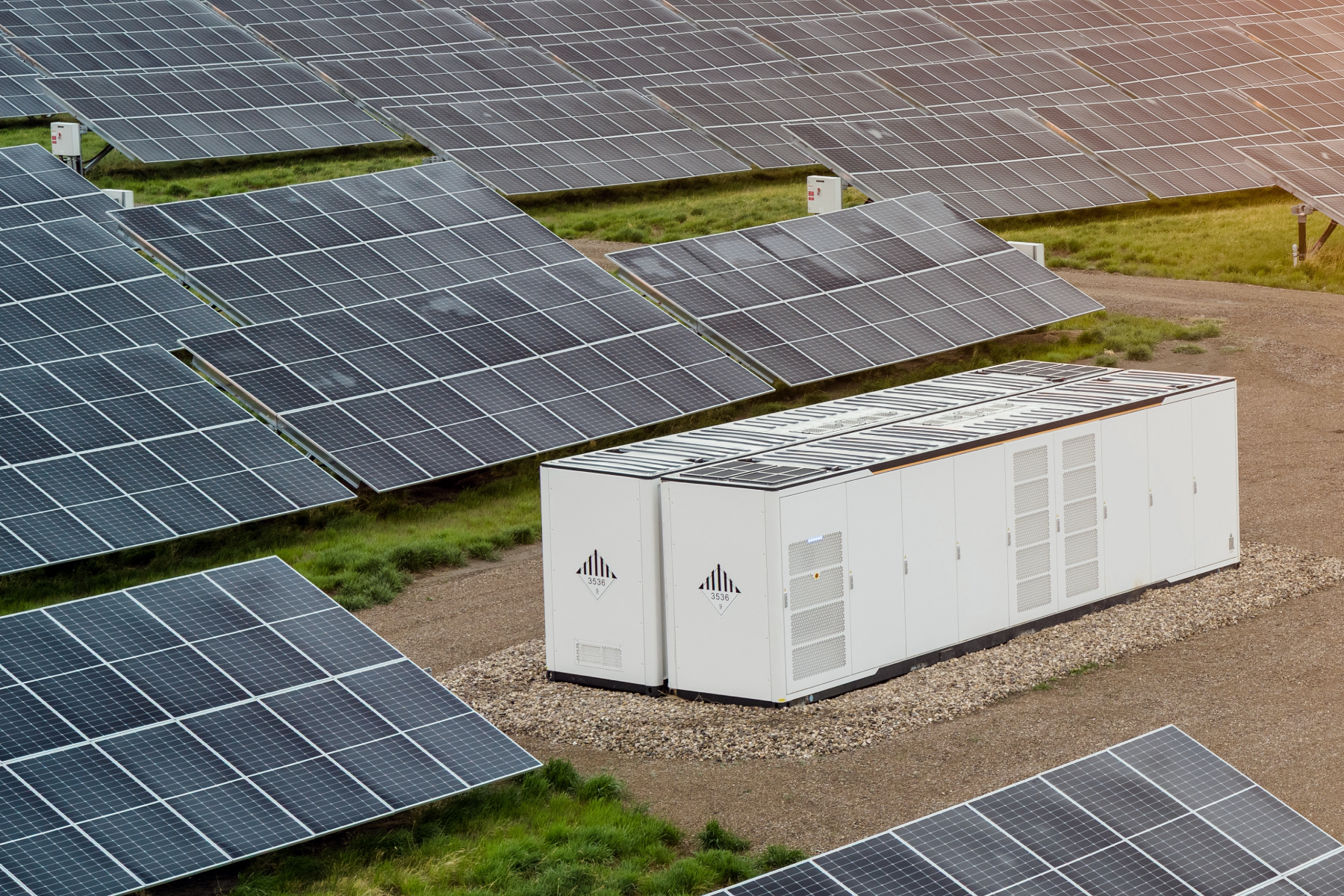 Material Costs
The most apparent expense is the cost of the BESS container, which houses the batteries, Power Conversion System (PCS), Energy Management System (EMS), and other essential components. These materials form the core of your storage system, but they are just the beginning.
Logistics Costs
Transporting the BESS from the factory to the installation site can be a significant expense. This includes shipping costs, customs duties, and insurance to protect the equipment during transit. These logistics costs are essential to ensure the system arrives safely and ready for installation.
Installation Costs
Once the BESS reaches its destination, site preparation is necessary. This might involve groundwork, laying foundations, and setting up the infrastructure to support the system. Labor costs for electricians, engineers, and the rental of heavy equipment such as forklifts and cranes also add to the total expense. Permits and inspections to comply with local regulations are another critical cost factor during installation.
Operational Costs
Operational costs are ongoing and include the energy costs associated with charging and discharging the system. Additionally, monitoring and management services are required to keep the system running efficiently. These services often involve software licenses and remote monitoring capabilities, ensuring the system's performance and reliability.
Warranty & Service Costs
A comprehensive warranty and service plan is crucial to protect your investment. This includes an extended warranty beyond the initial coverage period and annual service contracts to maintain the system. Regular servicing and the availability of spare parts ensure the longevity and reliability of the BESS.
Conclusion
The cost of a BESS project is not just the sum of its parts. It encompasses a wide range of expenses that ensure the system is delivered, installed, and maintained correctly. By considering all these cost components, from logistics to operational expenses and warranty services, you can create a more accurate budget and ensure the long-term success and financial viability of your BESS project. Understanding these hidden costs enables more informed decision-making and better planning for a sustainable, reliable, and financially viable BESS project.
If you would like support with project budgeting, cost assessment, or manufacturer selection, please contact the Photon Energy team.